
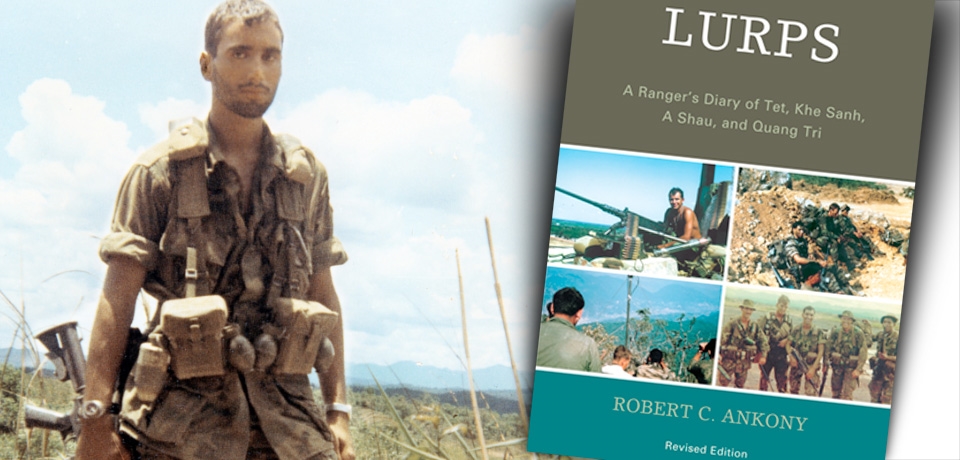








"A PLEASURE TO READ, LURPS IS AMONG
THE BEST WAR DIARIES AVAILABLE"
Jason Foster, Vietnam magazine
Latest from the Blog

Criminals, cockroaches, rats, and I have something in common: we all spring to life at night. It’s as if, once the sun had set, someone magically fired up a little backup generator in our brains, and we suddenly became energized, hungry, and full of life.
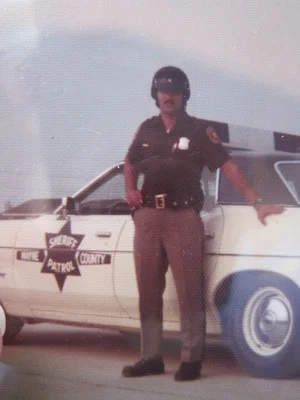
On Tuesday morning, March 3, 1975, when Deputy Ken Crowley and I reported for roll call at the Wayne County Sheriff’s Department Patrol and Investigation Division, it was overcast and eighteen degrees. We would be working the scout car in Romulus, a nothing-special suburb west of Detroit.

Catherine was born tough, and, of course, being a former Army Ranger, I encouraged her in that direction: teaching her how to climb over obstacles, swim in the canal by our house in Grosse Ile, and run distance even before she was in grade school. But those were small things.

Twenty-three miles east of us, by the corner of Dexter and West Chicago, in Detroit’s near north side, several black Wayne County sheriff deputies were facing something much more ominous than freezing weather. They were experiencing a cop’s worst nightmare.

When I was a kid, I spent endless fascinating hours with my dad in the garage of our southwest Detroit home. The floor-to-ceiling shelves were crammed with boxes of spare parts and electric motors. On the floor and the workbench were large and small tools, acetylene tanks, a grinder, a drill press, and a lathe. My dad was a heating and air-conditioning serviceman, and he loved explaining and showing me how things work: things like his Triplett electrical tester. This black box, with dials, gauges, wires, and switches, looked to my 9-year-old eyes like some exotic scientific instrument from the future

It was a hot summer afternoon in 1971, and I was a 22-year-old undercover narcotics officer in the Wayne County Sheriff’s Department, with a year and a half on the job. I was also a former US Army Ranger with a year in Vietnam. We were in Detroit’s east side, getting ready to make a raid.
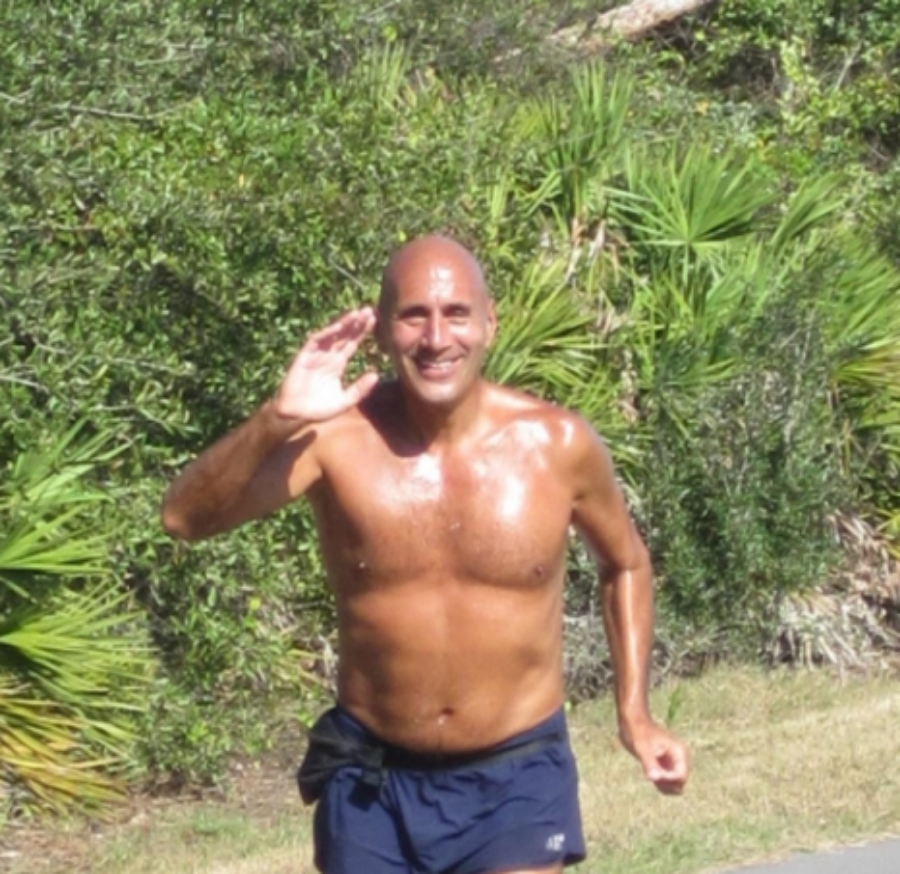
Most people Downriver know my husband, Bob Ankony, as the “Tan Running Man of Grosse Ile.” Bob has been running the island and throughout Downriver since 1979.Bob runs in all weather, from below zero to above a hundred. Oddly enough, as he gets older, he enjoys running in the heat more and more. He comes alive in hot, humid weather—says the heat acts as a natural lubricant for aging joints—and he loves the idea that wherever he is, he can always run home. On average, he runs 2,800 miles a year.So far, he’s run more than 130,000 miles. That’s more than five laps around the earth—more than half the distance to the moon. And he has logged a lot of those miles in faraway places such as Stalingrad, Moscow, Leningrad, Vietnam, Hong Kong, and Okinawa.

It was 1966, and the United States was at war again, this time in Southeast Asia, fighting Communists in South Vietnam. Our forces were also holding the line against the same foe in Europe and in faraway places such as Korea. My name is Bill Carpenter, and I was 24 years old. I had just graduated in March from Colorado State University, in Fort Collins, with a bachelor of science degree in wildlife management. I’m originally from the hills of West Virginia, but my family moved to Denver after I graduated from high school.
After the defeat of Nazi Germany in 1945, the Potsdam Agreement stipulated that Berlin would be occupied by the four major allied powers of World War II: the Soviet Union, the United States, the UK, and France. But the war’s end seemed to herald an even graver danger: a world split into two hostile camps, both armed with nuclear missiles. The East, with the centrally planned economies of the Soviet Union and its Warsaw Pact allies, faced the West, with the democratic, market-driven economies of the United States and its NATO allies. Nowhere was this tense rivalry more starkly depicted than in the divided city of Berlin, deep inside Communist East Germany.
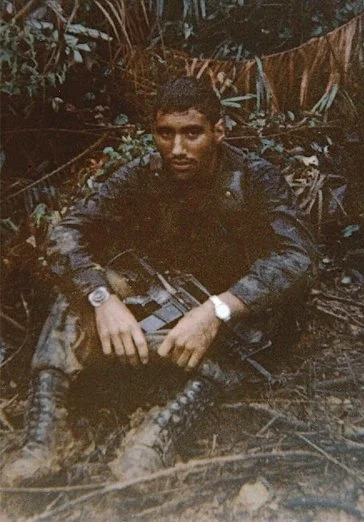
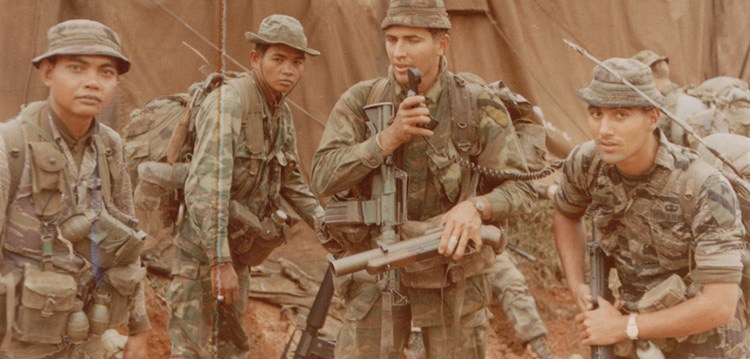
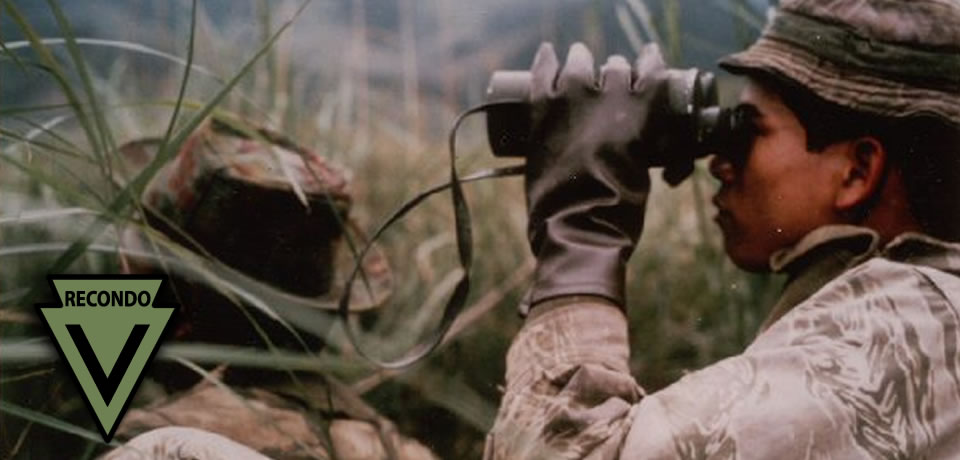
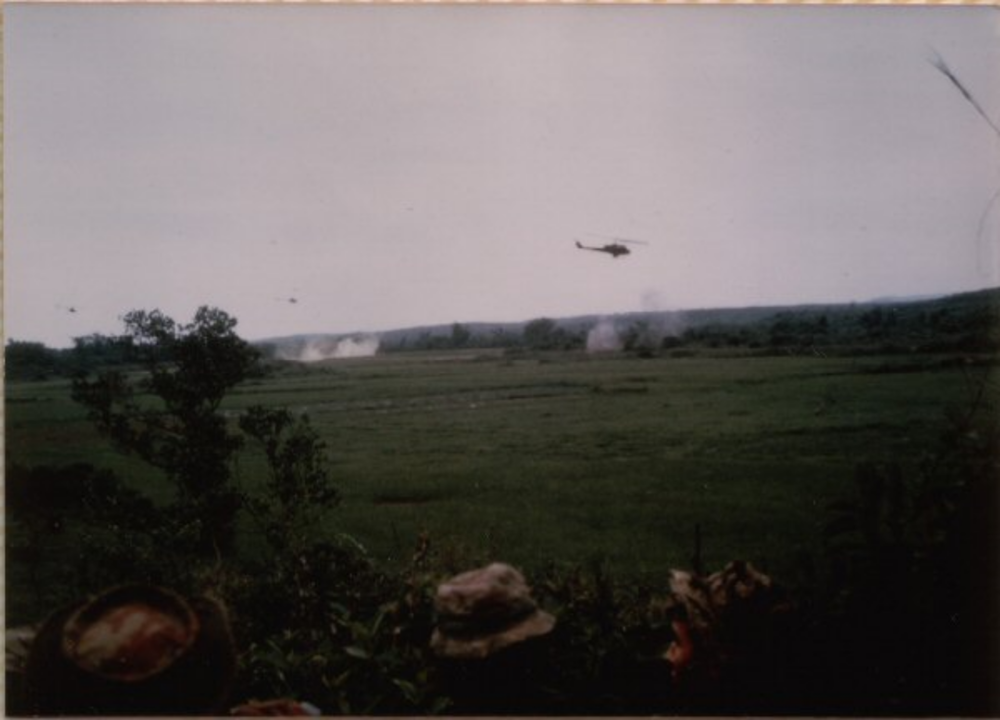
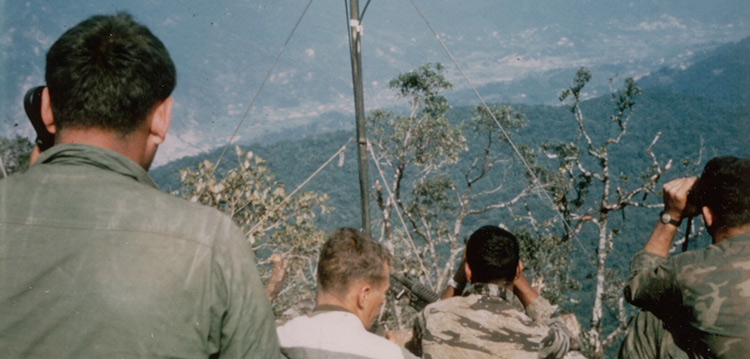
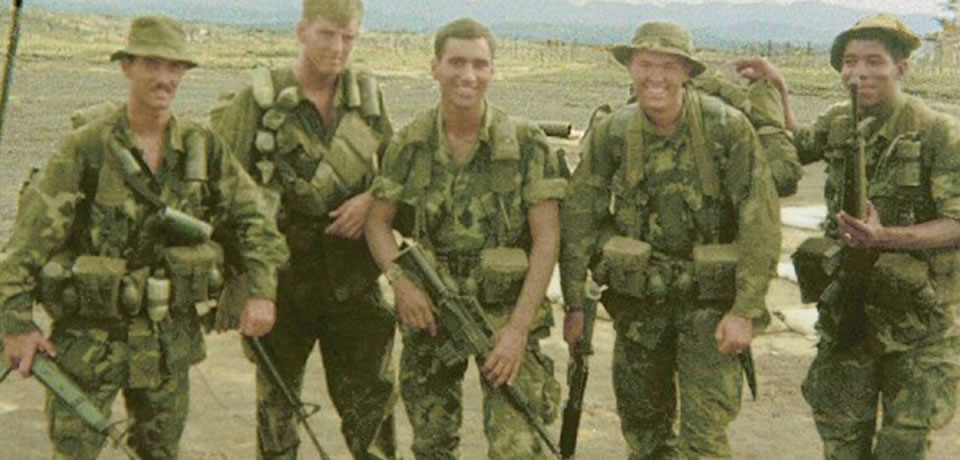
At dawn, Friday, August 30, 1968, I woke inside my cockroach-infested hooch at LZ Betty, sixteen miles south of the Demilitarized Zone, to go on my twenty-second and last patrol. I was the sergeant and team leader of a five-man long-range reconnaissance patrol (LRRP, or “Lurp”) assigned to the First Cavalry Division’s First Brigade, whose area of operation was from Quang Tri City, near the coast of South Vietnam, to the heavily forested mountains out west, halfway to Laos.

What a joy it was yesterday to receive a signed copy of Once in a Great City: A Detroit Story, by Pulitzer Prize-winning journalist, best-selling author, and Washington Post associate editor David Maraniss.
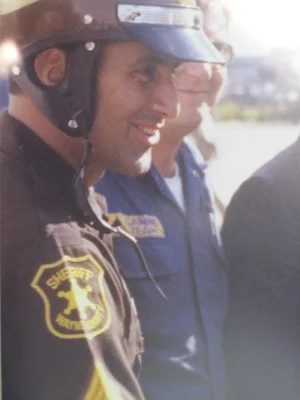
Deputy Inspector Jellyfish owned a major police equipment and uniform distribution center in Metropolitan Detroit and because of that he was given the rank of deputy inspector in our department without attending a police academy or having any scout car experience. With no shortage of cash, Jellyfish rode his own Harley Davidson complete with lights and siren and would strut around our station wearing brown motorcycle britches, gold helmet, and a 6 inch barreled Colt Python strapped to his waist, perhaps thinking that long barrel and six powerful .357 rounds in the cylinder portrayed something he didn't have in his britches.

I was sitting on the roof of my house the other day looking at the setting sun, thinking that the Earth at my latitude is rotating on its axis at 750 miles per hour in an eastward direction as our planet is sailing in space 20 miles per second to the west.
On Monday, February 10, 1975, my partner, Ken Crowley, and I were assigned to a sixteen-square-mile area in the City of Romulus, a large suburb ten miles southwest of Detroit. Romulus’s most noteworthy attribute, other than hotels and crime, is that it surrounds Detroit Metropolitan Airport. Every shift, four sheriff’s cars patrolled the city, and Ken and I were working the eleven p.m.‑seven a.m. shift.

Saint John Rescue is a vast organization of highly skilled volunteers and professionals. In Ontario, Canada, and many other places around the world, they provide ambulance service, rescue lost hikers, and promote water safety. Each year, they help thousands of people and save hundreds of lives. But one bright Wednesday morning, August 25, 1993, in Niagara Falls, they did something else entirely.

I love doughnuts! Especially big cream-filled ones covered with powdered sugar. And that’s exactly what I was having, while chatting with Joe Porcarelli, the owner of Amy Joy Donuts on Michigan Avenue in Dearborn, when I glanced outside and saw a raggedy blue Chevy with a defective brake light pull up next to my scout car.

On April 9, 1966, I stood in formation by the three red and white 250-foot steel-girder jump towers at Fort Benning, Georgia. It was a warm Saturday afternoon, and I had just completed Airborne School after making five static-line jumps at 1,250 feet from a twin-tailed C-119 Flying Boxcar in Alabama. My sergeant handed me my orders and a small pair of silver-plated jump wings, shook my hand, and said, “Good luck!
I had worked this location before as an undercover narcotics officer on a motorcycle. It wasn’t difficult to find people selling marijuana, LSD, or heroin. Overdoses weren’t all that uncommon in the park. Neither were gang rapes. It was the early 1970s, and the drug culture was in full swing, with violent crime and property crime soaring nearly fivefold in the past ten years. People from my age group were self-destructing every day.
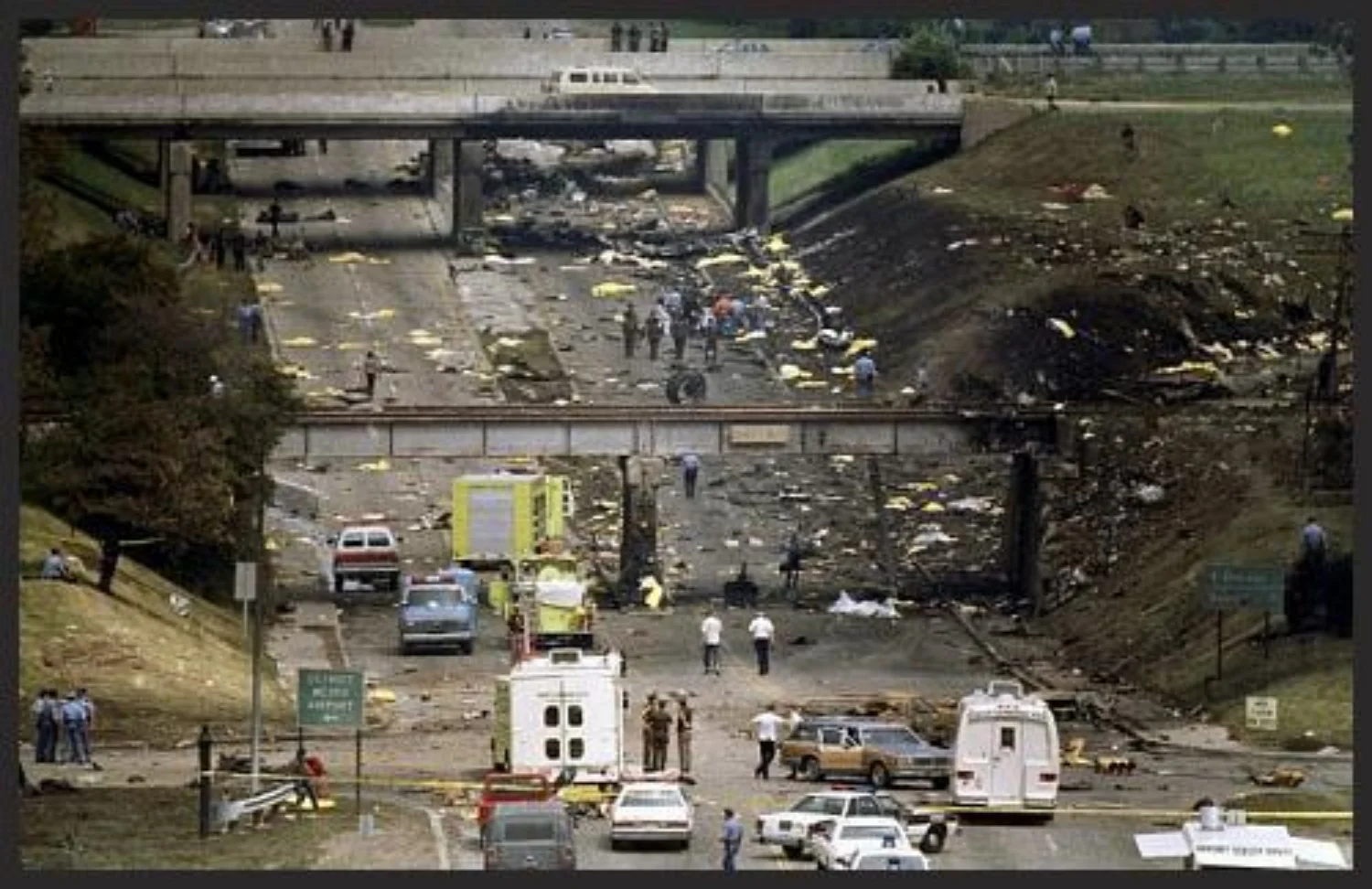
Sunday evening, August 16, 1987, it was a stifling, humid 90 degrees outside. Happily, it was cooler in my basement office, where I sat contemplating a third master's degree, in international politics, to augment the two I already had in criminal justice fields. Or should I go for a PhD in sociology instead? I was deep in thought, mapping out all the pros and cons, when my police scanner chirped.
"Code fifty!" Code fifty!".
Within sixty hours after saying good-bye to my teammates and friends in Vietnam, I was discharged from the Army and back home in southwest Detroit. It was Wednesday evening, October 2, 1968. It was a drastic change, but I felt great just being able to embrace my mom and dad, brother, and two sisters again after not hearing their voices for nearly a year. At the time, it took a month for a letter to get home from Vietnam, and another month for a reply to get back. But now, suddenly, I could sit in the kitchen and eat my mother’s glorious Arabic food, hold our dog Chico and our cat Fluffy, and be part of my family again.

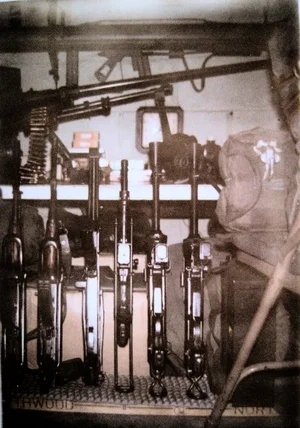
The Army of South Vietnam (ARVNs) had a reputation for being corrupt and incompetent, and I noticed that the paratroops carried grease guns, along with other World War II‑era weapons. Since I wanted an extra one to send home, I thought I’d make them an offer. I took a walk to the ARVNs’ compound, but when I saw how careless they were about leaving their weapons lying around, a new plan began to take shape. If I tried to buy a grease gun but failed to close the deal, I would only draw attention to myself. Then, if one of the weapons should later go missing, things could get awkward. Better just to steal one.
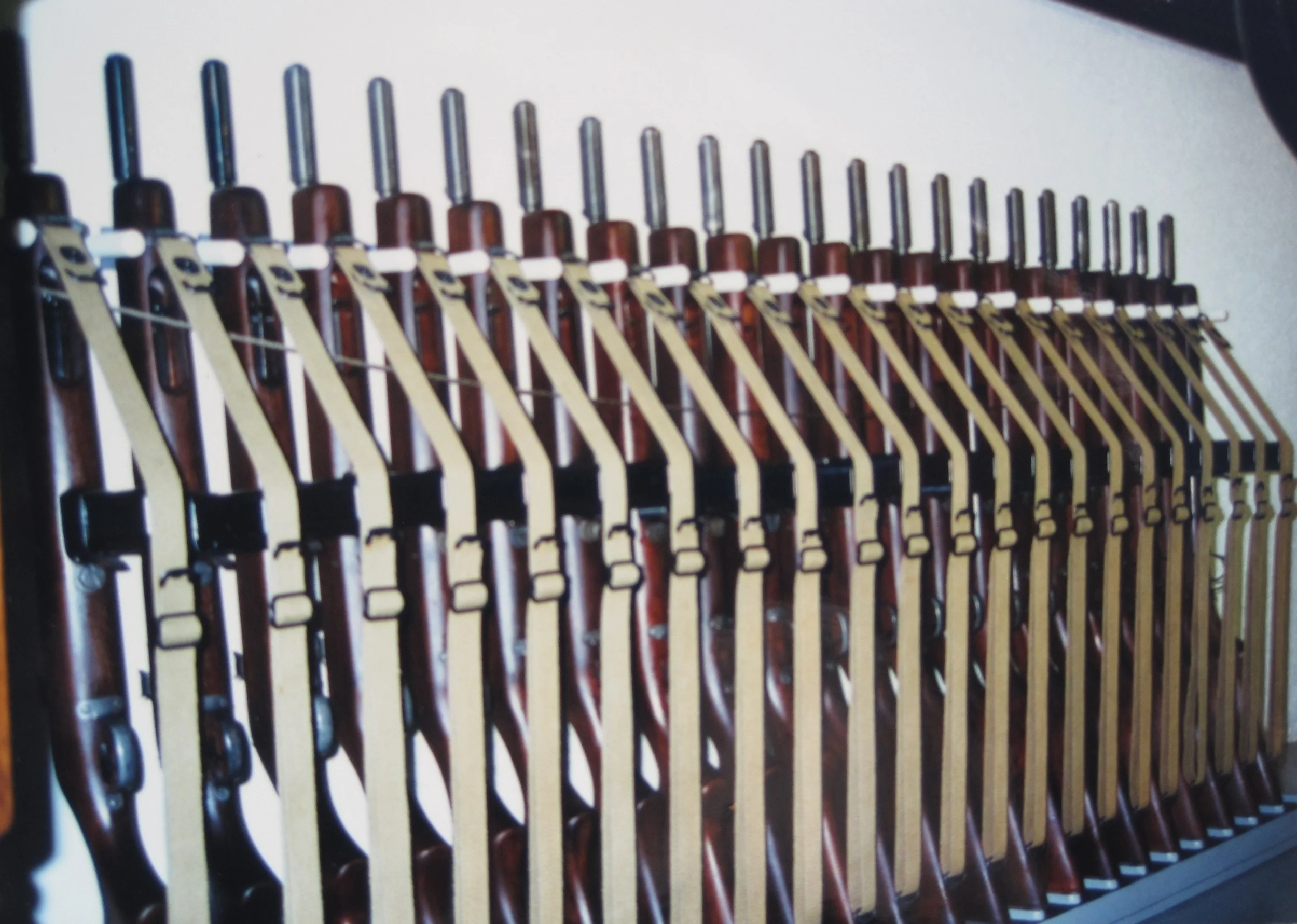
My lifelong passion for firearms started in Patton Park, behind my Detroit home. That’s where, at 12 years old, I traded a gas-powered wooden model airplane to an older kid for his Winchester Model 58 bolt-action, single-shot .22-caliber rifle. I already had BB guns, bayonets, and knives, but no way was my dad going to let me keep a real rifle. So I carried it home and hid it under our back porch. But it didn’t take more than two days for my dad to find it. To my great surprise, he just smiled and said, “Robert, you can keep it.”

A crater is a typically bowl-shaped depression in the ground caused by a sudden, violent release of energy. And the result of that sudden energetic event is often the loss of lives in the immediate area. More rarely, a crater saves a life. One such crater, in Quang Tri Province, Vietnam, US Army Corps of Engineers grid coordinates 317448, saved five young American soldiers. It also helped advance my understanding and appreciation of physics

I came in first place only once in my life. That was for physical fitness at the Wayne County Sheriff Police Training Academy. It was fall 1971, and I had already been working as an undercover narcotics officer for nearly a year when they sent Gerald Scotti[1] and me from the Narcotics Bureau for training. When we were hired in 1970, there wasn’t a state law requiring academy training. We were young officers of not purely Caucasian ethnic descent, and that’s what the department urgently needed to make narcotic buys in the spiraling drug culture in and around Detroit. The county and feds trained us in two criminal and narcotics investigation courses, and when space came available in the next police academy class, they sent us, with the understanding that we would return to the Bureau upon completing our training.
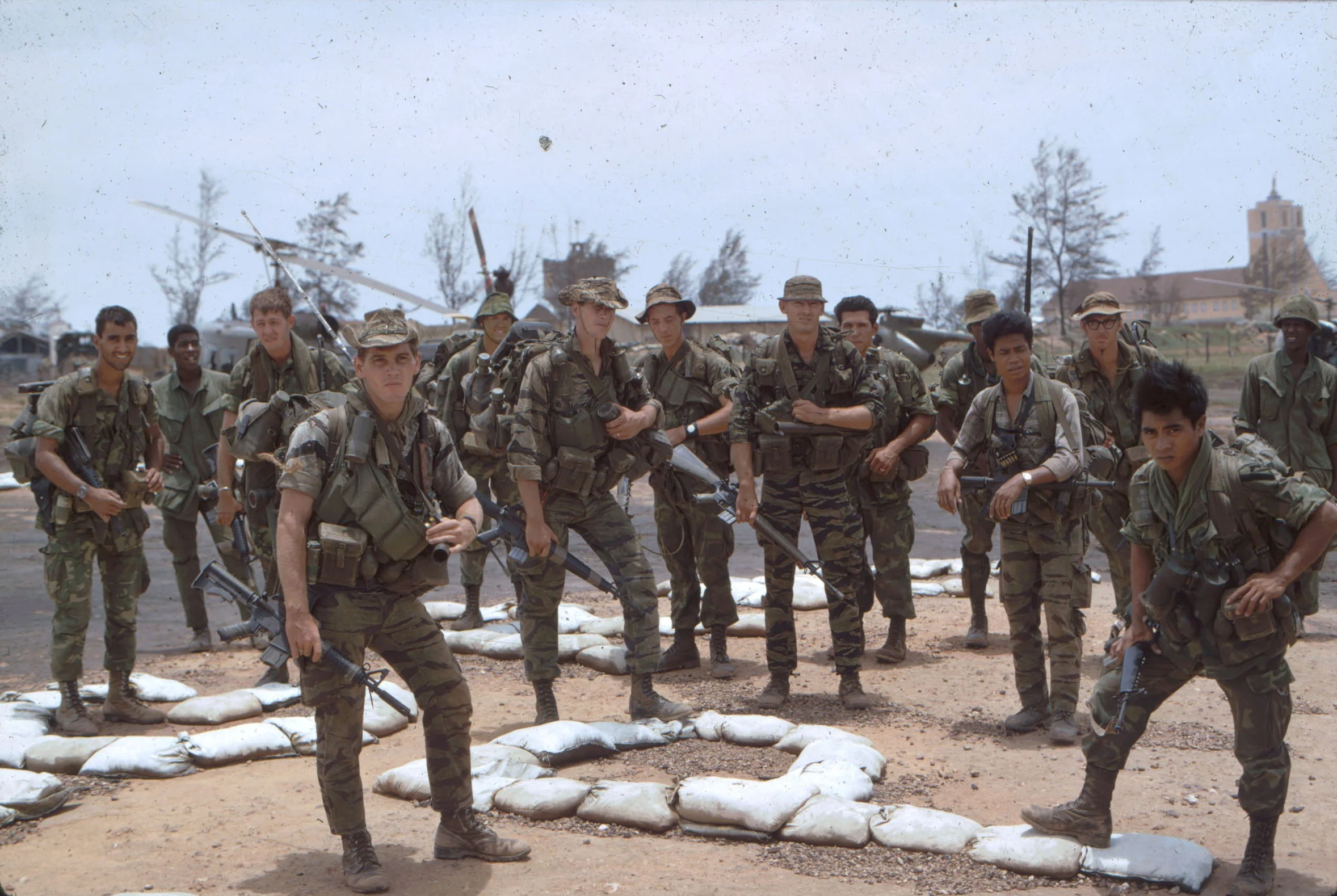
The U.S. military tradition teaches that the infantry is “the queen of battle.” Like the queen in the game of chess, the infantry is the most powerful and versatile piece on the battlefield, and it is the only force that ultimately takes and holds the ground.
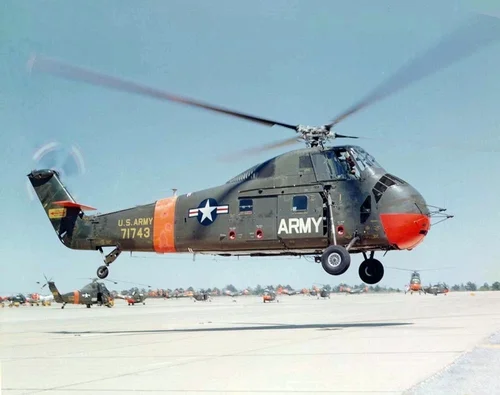
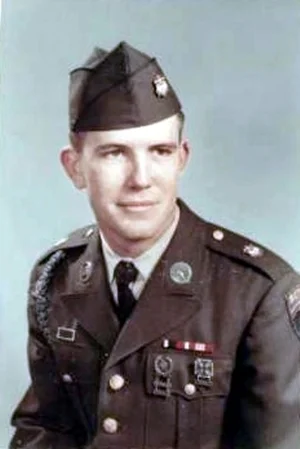
In 1966, I was an 18-year-old paratrooper assigned to the 8th Infantry Division (Mechanized) in Wiesbaden, West Germany. I was a rigger, the soldier who packs personnel and cargo parachutes, rigs vehicles and artillery pieces for aerial delivery, and inspects parachutists before a jump. It’s a lot of responsibility. Lives are at stake, and the riggers’ motto is “I WILL BE SURE ALWAYS!”

Every year, the Wayne County Sheriff’s Department’s Patrol and Investigation Division put over a hundred thousand hard miles on each of its cars. It wasn’t uncommon for a car to work nonstop from shift to shift. Exposed to all weather conditions as well as high-speed chases, sudden braking, and roads that varied from frozen dirt ruts to interstate highways, our vehicles served as the ideal test cars for the Motor City’s auto industry. And so each year, along with the many cars and utility vans they sold to the department, the Chrysler Corporation and Ford Motor Company donated dozens of scout cars.

“Bobby, I’ll live through your eyes,” my mother said, holding my hand shortly before she had a stroke in the spring of 1989. She passed away that November, but those words haunted me long afterward. I was always drawn to the edgy side of life, and through it all, my mother struggled to surround me with love and safety. I lived life as a juvenile delinquent, then as a soldier, then as a cop. I raised my family and then, in 1997, completed a PhD in criminology.



It was my fifth grade at Bennett Elementary School in Detroit. I seldom went to school and when I did, I rarely cooperated. The teachers would make me sit in the hall or send me to the library just to get rid of me. I hated school and I didn't respect the teachers or students who participated in what seemed like a culturally-imposed prison, so I found a way to punish my jailers.